The Importance of a Customized 404 Error Page

A customized 404 Page is more important than most people think.
A customized 404 page isn’t just a “nice touch” — it’s a damage control page. When someone hits a broken link (and they will, especially after URLs change in a redesign), your 404 page is the difference between:
- “Oops, dead end” → user leaves
vs. - “Oops, but here are helpful options” → user stays
Why it matters more during a redesign
Redesigns often involve:
- changed page structure
- renamed URLs
- old content is removed
- old backlinks still floating around Google
- people with old bookmarks
So traffic will hit potentialy hit missing pages.
What a good custom 404 page does
A strong 404 page should:
- match the branding/design (so it feels intentional, not broken)
- clearly say the page can’t be found
- include links to key pages (home, services, contact, blog, etc.)
- optionally suggest popular pages or categories
Benefits (real ones, not fluff)
- Improves user retention
- Improves trust (“this site isn’t broken, just moved”)
- Reduces bounce rate
- Helps conversions (people can still find what they need)
How important is it, realistically?
If you’re ranking it against other priorities:
✅ Must-have if:
- The site has a lot of pages
- SEO matters
- The site has old traffic/backlinks
- It’s an e-commerce or lead-gen site
⚠️ Less critical (but still smart) if:
- It’s a tiny brochure site with 5 pages
Bottom line
During a redesign, a custom 404 page is a high payoff.
Even a basic one with branding + top links can save a lot of lost traffic!
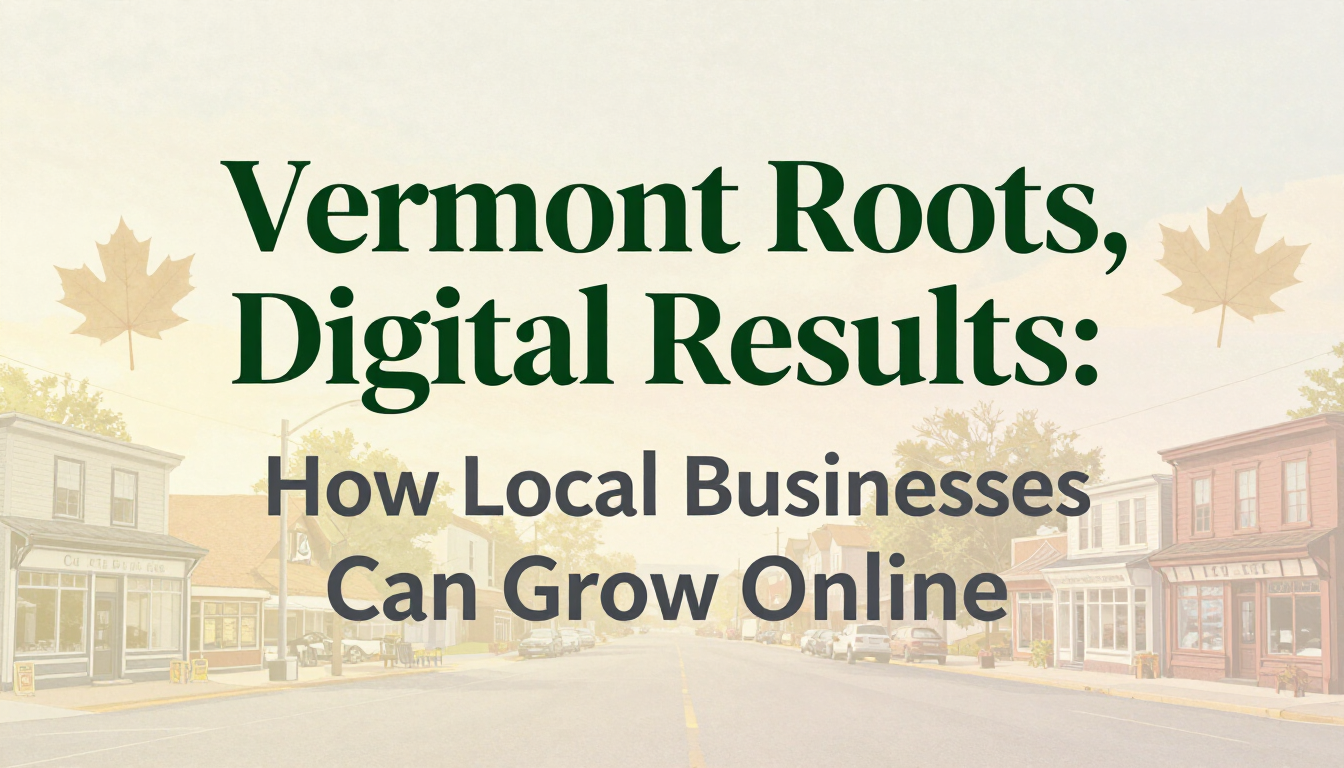
Learn how Vermont businesses can use websites, SEO, content, reviews, and digital marketing to grow online while staying true to their local roots.

Learn how local businesses can use websites, SEO, content, and social media to reach more customers without losing what makes their brand unique.

Learn how an optimized Google Business Profile improves local visibility, builds customer trust, supports SEO, and helps turn searches into calls and visits.

Explore practical back-to-school marketing ideas that help local businesses attract families, promote seasonal services, and build momentum for fall.
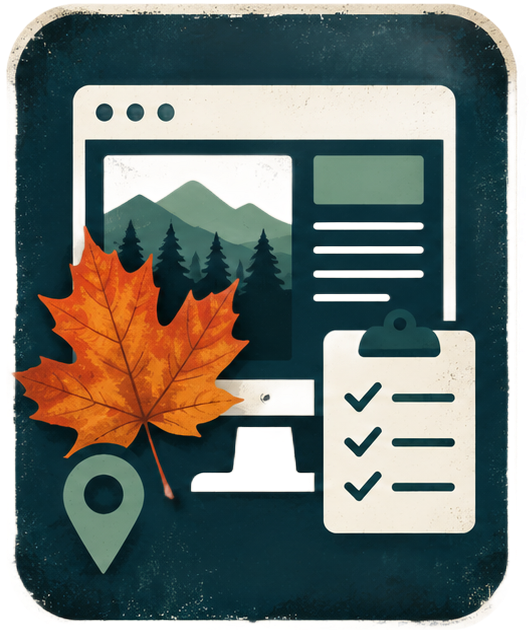
Prepare your Vermont business website for foliage season with practical updates that improve visibility, mobile usability, bookings, calls, and sales.
Use this 2026 local SEO checklist to strengthen your Vermont business’s Google visibility, listings, reviews, website content, and lead generation.

Use this small business digital marketing checklist to review your website, search visibility, social media, reviews, lead tracking, and follow-up system from NEKO.
Learn what AEO is, why it matters for Vermont businesses, and how FAQs, clear service pages, and helpful answers support local search visibility.

Learn how small businesses can turn online visibility into real leads with a clear website, helpful content, reviews, lead tracking, and follow-up.

Learn how CRM helps small businesses manage inquiries, track lead sources, improve follow-up, and build stronger customer relationships. | Northeast Kingdom Online