Website Analytics 101: Understanding and Utilizing Data for Success
Decoding Data
A Comprehensive Guide to Navigating the World of Website Analytics
When running an online business, having a website is just the beginning. To thrive and make informed decisions, you need to immerse yourself in the world of website analytics. This blog will guide you through the basics of website analytics, helping you grasp the importance of data and how to leverage it for success.
The Essence of Website Analytics
Website analytics involves the collection, measurement, analysis, and reporting of web data. By implementing analytics tools, businesses gain valuable insights into user behavior, website performance, and the effectiveness of marketing efforts. This data-driven approach empowers businesses to make informed decisions, optimize their online presence, and ultimately achieve their goals.
Key Metrics to Track
Traffic Sources:
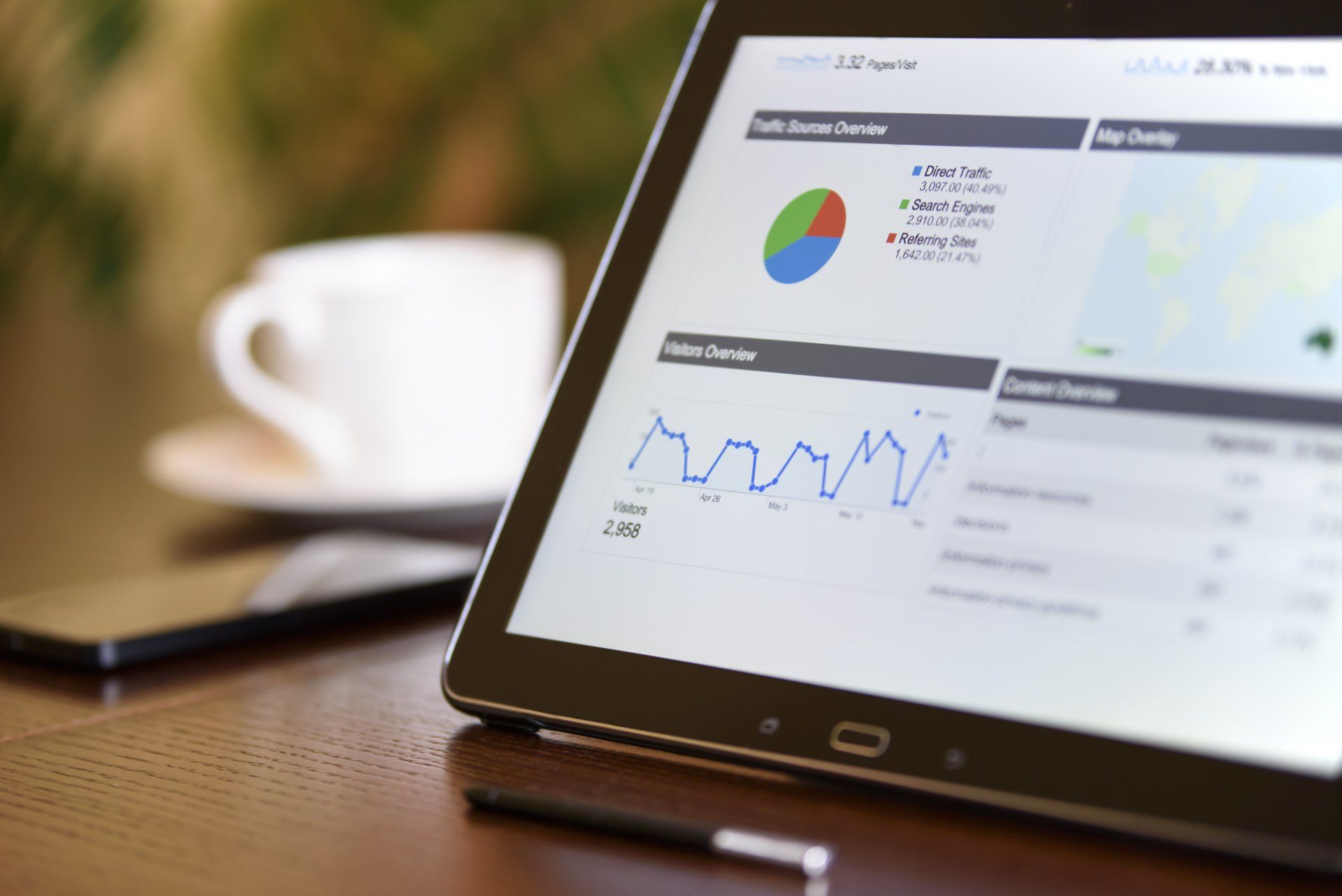
Understanding where your website traffic comes from is fundamental. Analytics tools like Google Analytics can reveal whether visitors find your site through search engines, social media, direct links, or other sources. This insight helps you allocate resources effectively and optimize your marketing strategies.
Visitor Behavior:
Analyzing user behavior on your site is crucial. Metrics such as page views, bounce rate, and time on page provide insights into how visitors engage with your content. High bounce rates may indicate a need for better content optimization, while analyzing popular pages can guide future content creation.
Conversion Rates:
For businesses, the ultimate goal is often conversions – whether it's a sale, a sign-up, or another desired action. Tracking conversion rates helps you understand the effectiveness of your website in turning visitors into customers. Identify high-converting pages and analyze the user journey to enhance the overall conversion process.
Device and Location Data:
Knowing the devices and locations of your audience is essential for optimizing your website's user experience. Mobile optimization is increasingly critical as more users access websites from smartphones. Analyzing location data can also inform targeted marketing campaigns tailored to specific regions.
Page Load Times:
In today's fast-paced digital environment, users expect speedy websites. Slow page load times can lead to high bounce rates and negatively impact user experience. Analyzing this metric helps you identify and address performance issues, improving overall website efficiency.
Implementing Analytics Tools
The most widely used website analytics tool is Google Analytics, offering a comprehensive suite of features. To get started, integrate the tracking code into your website. This code collects and sends data to the Google Analytics platform, where you can access a wealth of information about your site's performance.
Other analytics tools, such as Adobe Analytics and Matomo, provide alternative options with unique features. Choose the tool that aligns best with your business goals, budget, and technical requirements.
Utilizing Data for Decision-Making
Content Optimization:
Analyzing which content resonates with your audience allows you to optimize for relevance and engagement. Identify high-performing pages and use that insight to enhance other parts of your website. This iterative process ensures continuous improvement.
Marketing Strategy Refinement:
Evaluate the effectiveness of your marketing channels by analyzing traffic sources. Adjust your strategy based on the channels driving the most valuable traffic. This might involve investing more resources in successful channels or optimizing underperforming ones.
User Experience Enhancement:
By understanding visitor behavior, you can enhance the user experience. Identify pain points, optimize navigation paths, and ensure that your website meets user expectations. A positive user experience not only improves satisfaction but also contributes to better search engine rankings.
Goal Setting and Tracking:
Establish specific goals for your website, such as conversion rates, sign-ups, or downloads. Regularly track and analyze these goals to measure your site's success and identify areas for improvement. Adjust strategies as needed to align with your overarching business objectives.
Website analytics is a powerful tool for businesses seeking to thrive in the digital landscape. By understanding key metrics, implementing analytics tools, and utilizing data for decision-making, you can optimize your website, enhance user experience, and drive success. Embrace the insights provided by website analytics, and let data guide your journey towards a more effective and impactful online presence.