Mobile Experience: Why It Matters More Than Ever
Most people will visit your website on their phone first.
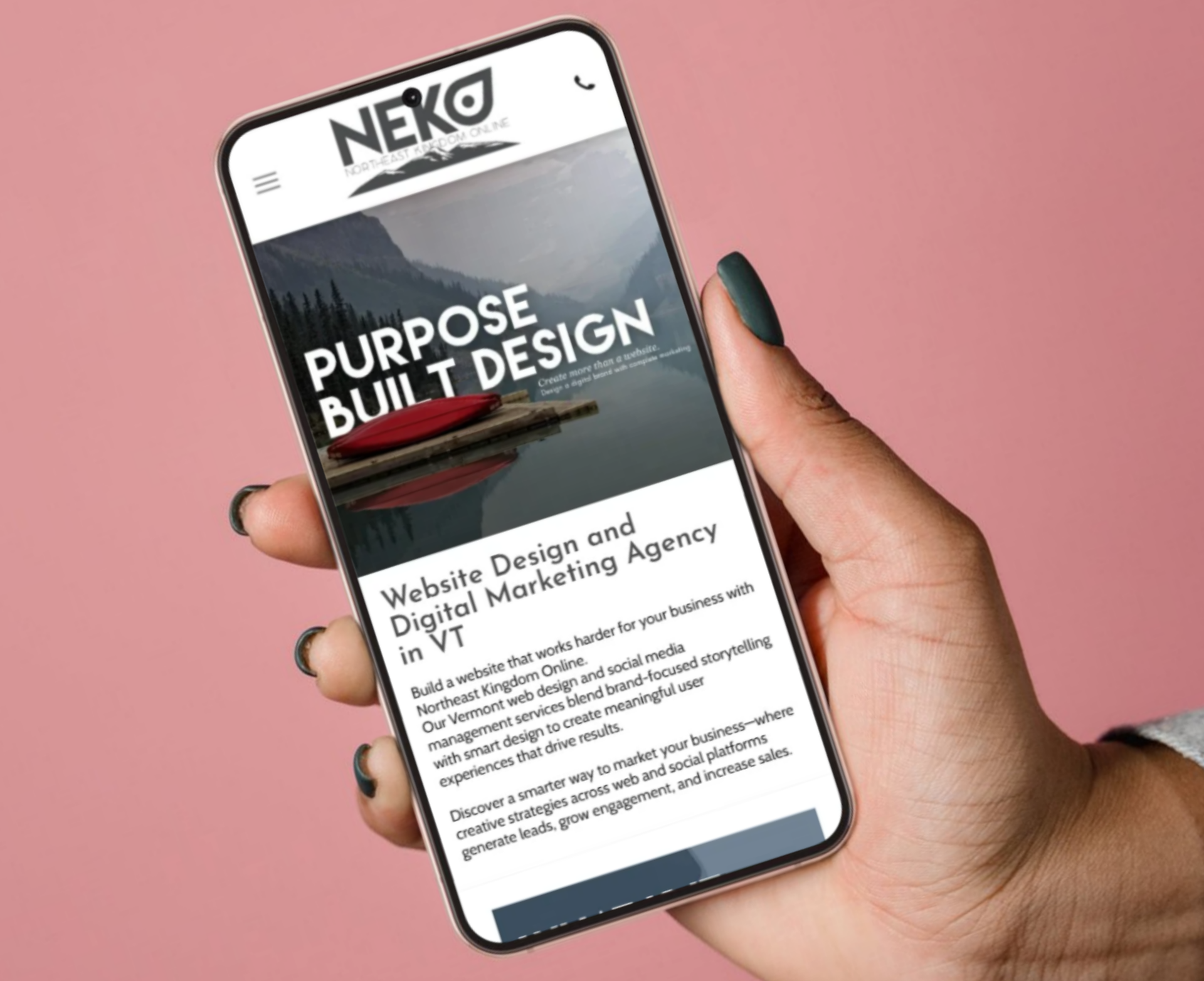
Whether they’re searching for a service, checking your hours, or learning more about what you offer, that first interaction often happens on a small screen, and in many cases, it determines whether they stay or leave.
First Impressions Happen Fast
When someone lands on your website from their phone, they’re usually looking for something specific:
- What do you do?
- Where are you located?
- How do they contact you?
If your site is hard to navigate, slow to load, or difficult to read, they may leave before they ever find those answers.
A poor mobile experience doesn’t just frustrate users; it creates doubt. And that doubt can cost you opportunities.
Clarity Builds Trust
A smooth mobile experience does more than function well; it builds trust quickly.
When your website is:
- Easy to read
- Simple to navigate
- Designed with mobile users in mind
…it signals that your business is professional, current, and easy to work with.
That confidence makes it easier for someone to take the next step—whether that’s making a call, filling out a form, or visiting your location.
Common Mobile Issues We See
Many business websites weren’t built with mobile as the priority. As a result, we often see:
- Text that’s too small to read
- Buttons that are hard to tap
- Menus that are confusing or cluttered
- Pages that take too long to load
- Content that doesn’t fit the screen properly
These issues may seem small, but together they create friction—and friction leads to lost engagement.
Mobile Isn’t Secondary Anymore
There was a time when mobile optimization was optional. That’s no longer the case.
Today, mobile is often the primary way people experience your business online.
If your website works well on desktop but struggles on mobile, you’re likely missing a significant number of potential customers.
Simple Improvements Can Make a Big Difference
The good news is that improving your mobile experience doesn’t always require a full rebuild.
Small, thoughtful changes can go a long way:
- Simplifying your layout
- Improving font sizes and spacing
- Making calls-to-action easy to find
- Streamlining navigation
These adjustments help create a smoother, more intuitive experience for your visitors.
A Simple Test
If you want to understand how your website performs on mobile, try this:
Take out your phone and visit your site as if you were a new customer.
Ask yourself:
- Can I quickly understand what this business does?
- Is it easy to navigate?
- Would I take the next step?
If the answer isn’t clear, there’s an opportunity to improve.
Final Thoughts
Your website doesn’t just need to exist; it needs to work — and today, that means working seamlessly on mobile.
A clear, easy-to-use mobile experience helps people understand your business faster, builds trust, and makes it easier for them to take action.
Because when things feel simple, people move forward.